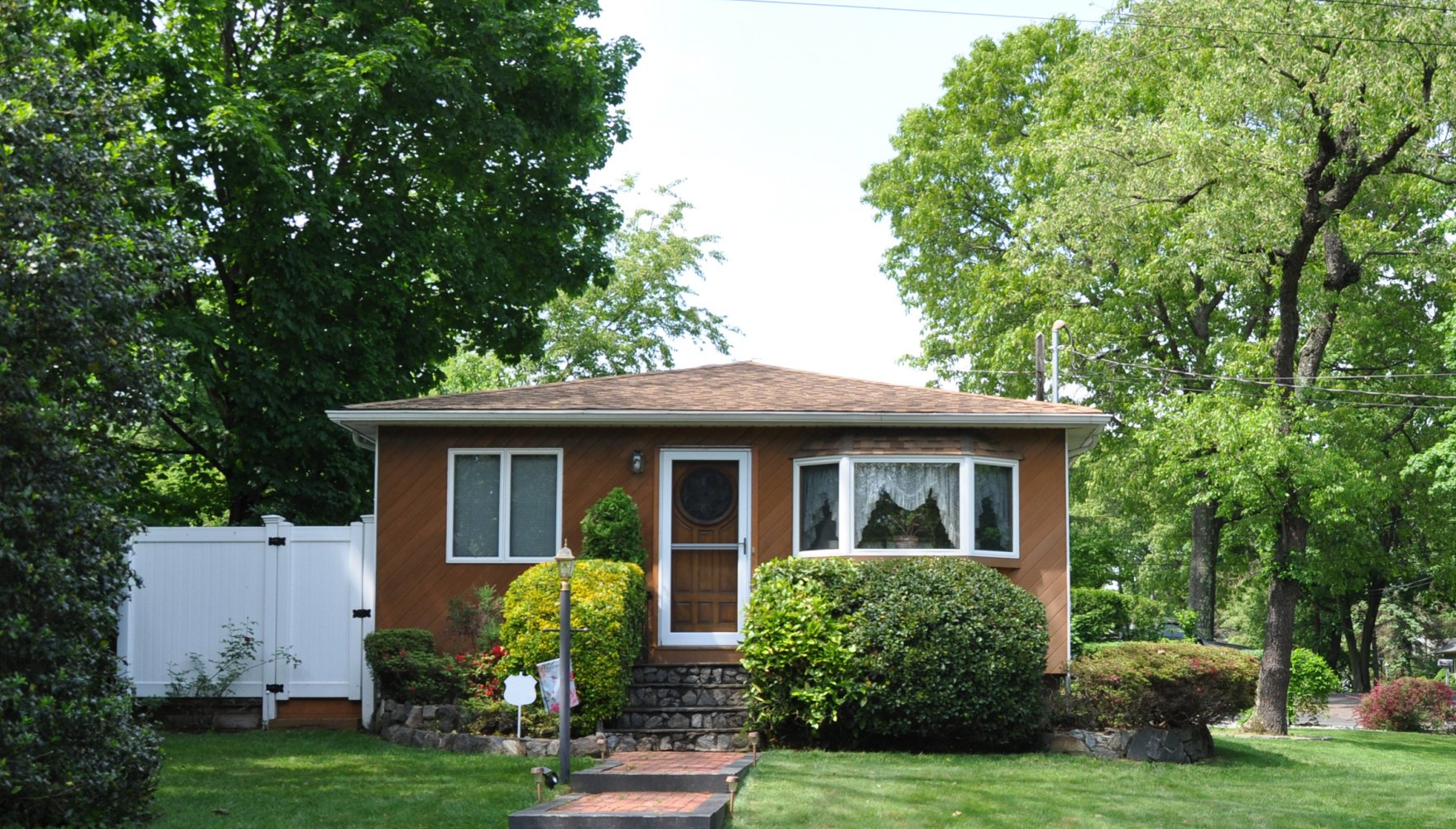
Central Maine Multi Family Market Outlook
Multi-Family Housing Outlook – Central Maine (Waterville, Augusta, Lewiston-Auburn)

New title
Multi-Family Housing Outlook – Central Maine (Waterville, Augusta, Lewiston-Auburn)
Introduction
Central Maine's multi-family housing market (Class B and C properties) offers high-yield opportunities in secondary cities like Waterville, Augusta, and Lewiston-Auburn. These markets are smaller and more affordable than Portland, which has led value-driven investors to take notice. Over the next 6–12 months, investors can expect a dynamic environment shaped by rising cap rates, interest rate pressures, moderate rent growth, new supply additions, broader economic trends, and evolving housing policies. This report provides an investor-oriented analysis of these factors, using data from CoStar, MLS, and government sources to inform expectations.
Cap Rates: Current Levels & Historical Trends
Class B/C multi-family cap rates in Central Maine are currently higher than in larger urban markets, reflecting the greater risk and return of these tertiary locations. In the Lewiston-Auburn area, average cap rates are about 9.2%(as of mid-2023), considerably above Portland's roughly 7% cap rate(which has climbed in the last year). Smaller cities like Augusta and Waterville also see elevated cap rates; one data source estimates Augusta's average cap around 8.4%, while Waterville deals have shown double-digit cap rates(with an average over 14% in recent data points). By comparison, major metro multi-family caps (and even Portland's Class A) tend to be in the 5–6% range, so Central Maine's B/C assets offer a significant yield premium.
Historically, cap rates in Maine compressed to low levels during 2020–2021 amid low interest rates and intense investor demand. For example, Portland saw cap rates in the mid-5% to 6% range at the market peak. However, as interest rates rose and the market normalized, cap rates expanded. Over the past year cap rates have trended upward by several dozen basis points, moving into the high-7% and above range for most secondary markets. This upward drift in cap rates reflects both higher financing costs and a bit more caution among buyers, forcing sellers to adjust pricing expectations. Notably, Lewiston-Auburn's cap rate (≈9.2%) is high even by Maine standards, highlighting the perceived higher risk but also attractive cash flow potential in that market. Overall, Central Maine's Class B/C cap rates are at or near decade highs, and may stabilize at these higher levels going forward if interest rates remain elevated. Investors are placing greater emphasis on in-place cash flow and "current yield", a shift from the low-cap, appreciation-driven mindset of a few years ago.
Interest Rate Impacts on Cap Rates and Returns
The rapid rise in interest rates since 2022 has had a significant impact on multi-family investment returns and cap rates. The Federal Reserve raised rates to a 22-year high in its fight against inflation. By late 2023, the 10-year Treasury yield hovered around 4.0%(up from ~1% in 2020), and multifamily loan rates in the 6–7% range became common. This high cost of debt means many Class B/C deals now have interest rates approaching or exceeding the cap rate, creating negative leverage unless prices adjust. Consequently, cap rates have been pressured upward as investors demand higher yields to justify investments in a high-rate environment.
Higher interest rates are also cooling investment activity. Investors can earn ~5% on relatively risk-free Treasuries, so some capital has shifted away from real estate into bonds. Local lenders, facing balance sheet pressure, have become more cautious – many regional banks are shedding CRE exposure and tightening underwriting, making financing deals more difficult. As a result, deal volume declined significantly in 2023(national CRE investment down 37–60% year-over-year) and Maine saw fewer traditional transactions. The deals that are happening often involve creative financing structures(seller financing, loan assumptions, etc.) to bridge the interest rate gap.
For cap rates, the interest rate spike has broken the prior cycle of compression. Many buyers now underwrite at higher cap rates to achieve their target returns given the increased debt costs. There is debate among experts about the exact correlation between interest rates and cap rates – some note that cap rates also depend on capital flows and asset desirability, not just interest rates. Multifamily remains a "favored" asset class attracting capital, which has helped prevent cap rates from spiking even higher. Nonetheless, in Class B/C segments investors are very "current cash flow sensitive", and pricing has adjusted downward to align with the new rate reality. Until there is clarity on a Fed pivot or a meaningful drop in financing rates, expect cap rates to remain elevated. Industry forecasts predict cap rates stabilizing by early 2024(rather than further rapid expansion), especially if an interest rate peak is in sight. Any anticipated Fed rate cuts later in 2024 could eventually relieve upward pressure on cap rates, but in the next 6–12 months, high interest rates will continue to weigh on values and investor returns.
Rent Growth Trends and Expectations
Rent growth in Central Maine's multifamily housing has moderated after a period of robust increases during 2021–2022. Over the past several years, tight supply and in-migration drove rents up notably. In the Lewiston-Auburn market, for example, rents rose about 18% from 2018 through 2022, including a surge of +9.5% in 2022 alone. Other Maine markets saw similar trends: Portland's rents climbed ~3–5% annually in recent years (with Class A/B rents up 3.7% in the last year), and Bangor's rents increased ~3.4% year-over-year as of mid-2023. This growth was well above historical norms and reflected the imbalance of strong demand vs. limited new supply.
However, recent data indicate a slowdown in rent growth as the market moves toward equilibrium. Statewide, the average apartment rent in Q4 2023 was $1,606, up only 2% from a year earlier. This is a significant deceleration compared to the 6% rent jump seen the prior year. Essentially, rent growth has fallen back in line with (or even below) general inflation, after two years of outsized gains. The rise in vacancy rates (discussed below) and increased supply are factors tempering landlords' pricing power. Even in popular markets, renter demand has cooled from its peak: Portland's vacancy remained very low (~2.9%) but renter demand is no longer accelerating, and class C units or suburban locations have become the affordability fallback for many tenants.
Near-term rent growth expectations (next 6–12 months) are modest. With more units coming online and economic inflation easing, most forecasts call for small single-digit rent increases in Central Maine. Landlords may achieve 2–4% annual rent growth in Class B/C properties, roughly tracking wage growth and inflation. For instance, Maine's apartment rents are now rising at a much slower pace, and 2024 is expected to bring only moderate gains in effective rents. Some markets could outperform: Lewiston-Auburn still has strong fundamentals (rents there were historically low and are catching up), and local officials anticipate continued rent increases as new renters flock to that area for its lower cost of living. But generally, rent growth will be constrained by affordability limits and new competition. It's worth noting that Class B and C apartments, being more affordable, tend to have steadier occupancy – even if luxury Class A rents plateau, workforce housing rents might still inch up due to persistent demand from local workers and those priced out of higher-end units. Investors should underwrite conservatively on rent projections, leaning on recent trend data (2–3% growth) rather than the unusually high growth rates seen during the pandemic boom.
Historically, Maine's rent growth has been moderate (in the 2–4% range), and the market seems to be reverting to that norm after the extreme pressures of the past few years. Barring an unexpected economic downturn, positive rent growth is still likely in the coming year – just at a more sustainable pace. This is actually healthy for the market, as exorbitant rent hikes have raised affordability concerns. Slower rent growth, combined with steady employment, could improve tenant stability and reduce turnover, benefiting Class B/C owners in the long run.
New Construction Starts: Impact on Supply & Demand
New multifamily construction in Central Maine is picking up, which will affect the supply-demand balance moving forward. For many years, these secondary cities saw very limited development of new apartments. That is now changing as public and private efforts align to address the housing shortage:
-
Waterville: Several projects are underway that will add scores of new apartments by 2025. A $40 million mill conversion (Lockwood Mill) is creating 65 new apartments, with the first 15 units opening in early 2025. Additionally, the "Head of Falls Village" development is set to bring 63 units at Temple & Front Streets, and the Manor Gardens project recently added 20 units on College Avenue. A local non-profit (KVCAP) also plans a 37-unit apartment complex breaking ground in early 2024. In total, 100+ units are coming to market in Waterville in the next 1–2 years – a significant supply increase for a small city. These projects are aimed at alleviating Waterville's housing crunch. They will boost vacancy in the short term but are expected to meet pent-up demand, as Waterville's rental market has been very tight.
-
Augusta: Maine's capital city has several large projects on the horizon, though not all are guaranteed. A Massachusetts developer had proposed a 250-unit market-rate apartment complex off Civic Center Drive, but financing difficulties(high construction costs, interest rates) have stalled that project. The fully approved site is now up for sale, illustrating the challenge of funding big developments in smaller markets. On a positive note, a different developer (John Flatley Co.) obtained approval in 2024 to build 260 apartments off Eight Rod Road. This project might proceed thanks to the developer's capacity for self-financing, and city officials are optimistic it will break ground and demonstrate strong leasing demand. Augusta also has other projects in the pipeline: for example, a mixed-use redevelopment of a former Kmart site on Western Ave is planned to include around 60 market-rate units(alongside a new hotel and retail). Furthermore, a 34-unit senior housing project(Malta Street) secured grant funding to move forward. These smaller-scale additions, combined with any large complex that materializes, could add several hundred units to Augusta's inventory within a couple of years. Given Augusta's current rental base, such additions are transformative and will likely ease the vacancy crunch – assuming developers overcome financing hurdles.
-
Lewiston-Auburn: The L-A metro is experiencing a wave of development interest as well. In Lewiston's downtown, adaptive reuse of historic mills is adding new apartments. Construction began in mid-2023 on the Picker House Lofts (Continental Mill), a 72-unit mixed-income apartment project that is part of a larger mill redevelopment. This project fuels the ongoing revitalization of Lewiston's riverfront and is slated to add much-needed modern units by 2024. In addition, Lewiston has proposals for major new construction: the Auburn-based developer (who is also Auburn's mayor) has proposed two new mixed-use buildings on the Lewiston riverfront – one with 150 market-rate apartments and ground-floor retail, and a second phase with 170 units nearby. As of late 2023, one of these projects has received planning board approval and the other is under review. If they proceed, that's 320 new units in downtown Lewiston over the next couple of years – a game-changer for the area's urban core. On the Auburn side, the city has been extremely pro-growth: local plans envision hundreds of new housing units on the outskirts (one large development off Gracelawn Road has been discussed for up to 1,100 units), and a recently unveiled mixed-income housing project will add dozens of homes and apartments on a 62-acre site. While not all proposed units will come to fruition in the 6–12 month timeframe, the L-A region's construction pipeline is robust. Even an incremental delivery of 100–200 units in the next year (from the mill rehab and initial phases of larger projects) will help satisfy demand from new renters drawn to the area.
Impact on supply-demand: The ramp-up in construction is gradually shifting Central Maine's multifamily market from extremely tight conditions toward a more balanced state. Vacancy rates are already inching up as new apartments come online. Statewide, the apartment vacancy rate rose to 5.4% in late 2023, up from just 3.5% a year prior. CoStar data attribute this rise to the increase in new completions combined with a dip in net in-migration. In markets like Bangor (which had essentially 0 units under construction and a vacancy of only 1.9%), any new development would be quickly absorbed given unmet demand. But in places like Augusta or Waterville, the delivery of a couple hundred units could push vacancy higher in the short term until the market equilibrates. Waterville's City Council has welcomed the new projects as a relief, but acknowledges "we still have a long way to go" to meet housing needs – indicating that demand is expected to catch up to the new supply. In Lewiston-Auburn, the vacancy rate has actually been moderate (~4–5%) and even fell by 2.1% over the past year due to strong absorption from revitalization efforts. New units there will likely be met with solid demand, especially from renters priced out of Portland or those relocating for jobs, so the effect on vacancy may be modest.
Overall, investors should monitor local supply indicators closely. An influx of new Class A units could soften rents for older Class B/C properties if higher-end landlords start offering concessions to fill buildings. However, much of the construction in these communities is aimed at workforce or mixed-income housing, which targets a slightly different renter segment and may not oversaturate any one niche. In the near term, expect vacancies to rise slightly and rent growth to slow as new inventory is absorbed. From an investor perspective, the new construction is a double-edged sword: it eases the severe housing shortage (which is good for community stability and reduces extreme rent spikes) but also means more competition and the need to keep properties well-maintained to attract tenants. The long-term outlook is that added supply, combined with pro-housing policies, will create a healthier, more sustainable rental market in Central Maine. For now, diligent market analysis – down to the submarket/neighborhood level – is key when underwriting investments, to account for any nearby projects slated to come online.
Macroeconomic Influences (Inflation, Employment, GDP)
Broader economic trends will shape Central Maine's multifamily outlook over the next year. Investors should consider the following macro factors:
-
Inflation: U.S. inflation has moderated significantly. The annual inflation rate fell to about 3% by mid-2023, down from a 9.1% peak in June 2022. This is a positive development for real estate operations – the cost of building materials, utilities, and maintenance is not rising as explosively as it was a year or two ago. Slower inflation also means tenants' incomes aren't being eroded as fast, which helps rent collections. However, "core" inflation (excluding volatile food/energy) remains slightly above the Federal Reserve's 2% target, so the Fed is still keeping interest rates high for now. For Central Maine landlords, easing inflation pressure could mean more stable expenses and a reduced need to hike rents purely to keep up with costs. On the flip side, property taxes and insurance costs have been climbing and may not abate immediately. Overall, a return to low/moderate inflation is a net positive, making it easier to plan budgets and lease increases without causing tenant stress.
-
Employment: The labor market in Maine is very strong, which supports rental demand. The state unemployment rate stands at roughly 3.1%(as of late 2024), which is below the national average and has been under 4% for three consecutive years. In Central Maine's cities, major employers (hospitals, universities, state government offices, mills, etc.) provide a stable employment base. For instance, Augusta's largest employer is the State of Maine government; Waterville has Colby College and a regional hospital; Lewiston-Auburn has a mix of healthcare, manufacturing, and service jobs. These local economies are not high-growth boom towns, but steady employment levels mean a steady pool of renters. Low unemployment suggests most tenants who want a job have one, which bodes well for rent payments and household formation. One risk to watch is if the national economy slows, Maine's unemployment could tick up (Maine's workforce is also older on average, which could limit growth). But currently, job security is high in the region, and some areas (like Lewiston-Auburn) are even attracting new residents due to job opportunities and lower living costs. Investor takeaway: a tight labor market should keep occupancy healthy, though it may also mean it's hard to find construction labor or property management staff (a minor headwind on the operational side).
-
GDP and Economic Growth: The U.S. economy in 2023–2024 has been experiencing a "soft landing" scenario – moderate GDP growth without a severe recession, despite the rapid rate hikes. Consumer spending and business activity have held up relatively well. Maine's economy generally grows a bit slower than the nation (given demographic trends), but it has been resilient. As of early 2024, most indicators suggest continued modest growth ahead. The Fed's tightening did cool parts of the economy (housing transactions, etc.), but with inflation coming down, there's optimism that interest rates could stabilize and perhaps ease by late 2024. Key macro indicators to watch include: GDP growth rates(if growth stays positive, renter incomes and demand should hold steady), and interest rates(which we covered earlier as a major factor for investment). Also, consumer confidence and population movement trends matter – during the pandemic, Maine saw an influx of new residents (net in-migration) seeking more space and remote work locales; that has slowed now, but any renewed wave of relocations could boost housing demand again.
-
Regional Demographics: A macro consideration specific to Maine is its demographic profile – an aging population and historically slow population growth. The state projects the need for at least 84,000 new homes by 2030 to meet demand and replace aging stock, which indicates there is underlying demand if housing is available/affordable. Central Maine's cities are trying to attract younger residents and professionals to sustain growth. If national economic conditions remain favorable, these towns could see gradual population gains(for example, people priced out of Boston or Portland might move to more affordable cities like Lewiston or Augusta). Conversely, if the economy dips, smaller cities might struggle to retain younger talent. For now, macroeconomic signals are relatively positive: inflation is down, jobs are up, and GDP is growing moderately – a combination that should support the multifamily sector's stability in the near term.
In summary, the macro backdrop for the next year is cautiously optimistic for real estate. High interest rates are the main macro challenge(as discussed), but in terms of demand-side factors – employment and inflation – conditions are encouraging. Investors should keep an eye on Federal Reserve policy (rate changes), any shifts in the job market, and general economic confidence, as these will inform rental demand and the cost of capital.
Housing Policies and Regulatory Factors
Government policy and regulatory changes in Maine are actively shaping the housing market and will continue to do so in the coming months. Key policy and regulatory factors to consider include:
-
Zoning Reform (LD 2003): Maine enacted a landmark housing law (LD 2003, effective 2023/2024) that essentially bans exclusive single-family zoning statewide, requiring municipalities to allow higher-density housing in residential areas. Specifically, towns must permit at least one Accessory Dwelling Unit (ADU) on any lot with a single-family home, and allow 2–4 housing units per lot in designated growth areas. This law removes many zoning barriers and encourages infill development. For Central Maine cities, LD 2003 means it's easier for property owners and developers to create duplexes, triple-deckers, or add ADUs, which could gradually increase the supply of small-scale rentals. Municipal compliance with the law has been high so far, though some towns needed extra time to adjust ordinances. In the next 6–12 months, we may start seeing the impact – e.g., more garage or basement apartments and subdivided homes coming onto the rental market. For investors, this policy is a double-edged sword : it can unlock new value(by allowing additional units on existing properties, boosting NOI and value) but also means potential new competition if many small landlords start adding units. Overall, LD 2003 is a pro-housing move aimed at easing the crisis, and it signals that Maine is unlikely to impose heavy new restrictions on development; rather, the trend is toward deregulation of unit density.
-
State Support for Affordable Housing (LD 2209 & Bond Funding): The state government, under Governor Janet Mills, has ramped up financing for affordable and workforce housing. In 2024, a new law (L.D. 2209) was passed authorizing MaineHousing to issue additional bonds to finance affordable rental housing. This has already enabled funding for 105 new affordable units in rural communities like Hallowell, Newcastle, Rockport, Rumford, Sanford, and Waterville. For example, 18 new affordable units are slated for Waterville's Main Street through this initiative. Such public financing efforts will inject subsidized units targeted at low-to-moderate income renters. While most Class B/C investors operate in the market-rate sphere, the addition of affordable housing can affect the market by absorbing some demand (at the lower end) and preventing extreme rent escalation. However, given the scale of need, these 100+ units are just a drop in the bucket. Importantly, these programs signal a stable policy environment with bipartisan support for housing production. Investors might find opportunities partnering on mixed-income developments or utilizing incentives (like Low-Income Housing Tax Credits or rural development grants) to rehab Class C buildings, as public funds remain available. Additionally, MaineHousing offers various programs for weatherization, rehab, and landlord support, which can be beneficial for owners looking to upgrade older housing stock.
-
Local Incentives and Regulations: Central Maine municipalities are generally eager to attract housing investment and have been offering support rather than imposing new restrictions. Augusta and Lewiston, for instance, have used Tax Increment Financing (TIF) agreements to encourage large apartment projects. These local tax breaks improve project feasibility by offsetting infrastructure or financing costs. We can expect cities to continue offering TIFs or fast-track permitting for developments that address housing shortages or redevelop blighted properties (like mills or empty big-box stores). On the regulatory side, none of these cities currently have rent control policies or onerous local landlord laws (unlike Portland, which has a rent stabilization ordinance). No rent control in Waterville, Augusta, or Lewiston means investors can adjust rents to market levels freely (subject only to lease terms and general consumer protections). This is a landlord-friendly aspect of the regulatory environment that is unlikely to change in the near term, as officials are more concerned with adding housing than capping rents in these markets. Landlords should, of course, be mindful of statewide landlord-tenant laws (which cover things like eviction procedures and safety codes), but there are no new draconian measures on the table at present. One area of potential change is housing quality enforcement – for example, Lewiston has had issues with older tenements and may step up code enforcement or safety regulations (especially after tragedies like past building fires). Keeping properties up to code will remain essential, and investors might see local grants or programs to assist with lead abatement or energy efficiency upgrades as part of Maine's housing quality improvement efforts.
-
Future Policy Outlook: The policy climate in Maine is focused on promoting housing development and affordability. In addition to LD 2003, there's a Housing Opportunity Program assisting towns with implementing zoning changes, and discussions about expanding public-private partnerships for housing. The state has also shown interest in adaptive reuse(funding studies or cleanup of old industrial sites for housing) and transit-oriented development(especially in Lewiston-Auburn if passenger rail from Portland expands, though that's longer-term). Investors should stay attuned to any local comprehensive plan updates or new incentive zones. For instance, if a city designates a growth district or receives federal infrastructure funds, that could open opportunities for new projects. Conversely, if any backlash against development arises (for example, neighborhood opposition to higher density), it could slow permitting in specific cases – but given the broad recognition of the housing need, such hurdles are likely to be limited. Overall, regulatory risk appears low in Central Maine; the trajectory is toward more housing-friendly regulation, not less. This supportive policy environment enhances the long-term attractiveness of investing in Maine's multi-family sector.
Conclusion and Investor Perspective
In summary, Central Maine's Class B and C multifamily market is poised for a period of transition and opportunity. Investors can currently acquire assets at higher cap rates(often 8–10%+), reflecting strong going-in yields relative to many other markets. These higher yields come in exchange for navigating the challenges of a shifting landscape: rising interest rates (which pressure values and complicate financing), an influx of new supply (which could soften occupancy or rent growth in the short term), and broader economic cross-currents.
The outlook for the next 6–12 months is cautiously optimistic. Expect cap rates to remain elevated or plateau, given the high interest rate environment, which actually can be advantageous for equity-driven buyers seeking better cash-on-cash returns. Rent growth will be positive but modest – likely in the low single digits – as the market digests new units and benefits from stable employment. If you underwrite deals with conservative rent increases and factor in today's financing rates, there is room for upside should interest rates fall or if you can add value (e.g. through renovations or adding units under the new zoning rules). The demand backdrop is solid, supported by low unemployment and some migration into these affordable cities, so well-located workforce housing should continue to find tenants.
Investors should also leverage the pro-housing policies: for instance, using LD 2003 to add an ADU or extra units to a large lot can significantly boost a property's income. Public funding opportunities can help de-risk projects (grants, tax credits, or low-interest loans for rehabbing older buildings or including affordable units). Keeping an eye on local development plans is key – try to "buy in front of the growth" by acquiring properties in neighborhoods slated for revitalization (as Lewiston's downtown is currently experiencing). At the same time, maintain a cushion in your underwriting for potential vacancies or rent competition as new apartments hit the market; not every submarket will absorb new supply equally quickly.
From a macro perspective, the possibility of an economic slowdown is a risk to monitor, but multifamily in Central Maine should remain one of the more resilient asset classes. Class B and C apartments serve the bulk of the workforce and lower-income renters – a demographic that tends to rent by necessity. Even in a downturn, these assets often outperform higher-end rentals, as some households "trade down" to more affordable options. Thus, Central Maine's multifamily sector could be a relatively defensive investment if the economy wavers. Meanwhile, any improvement in financing conditions (e.g. interest rate cuts in mid to late 2024) could provide a tailwind, potentially boosting property values or allowing refinancing at better terms.
In conclusion, Central Maine's multifamily market offers attractive yields and growth potential, but calls for disciplined strategy. Investors should focus on sound fundamentals: buy at realistic price-to-income multiples (the Lewiston-Auburn area's average sale price was only ~$69k per unit, indicating attractive value), ensure properties are well-managed to compete with new builds, and take advantage of the supportive policy environment to create additional value. By balancing the current higher cap rates against the region's stable rent demand, investors can position themselves to reap solid returns. As always, staying informed with local market data (from sources like CoStar and MLS sales comps) and working with local experts will be crucial to capitalize on Central Maine's multifamily opportunities in the months ahead.
Sources:
- Wright & Russell, Maine Multifamily Outlook – NEREJ (Sep 2023)
- Boulos Company, 2024 Maine Market Outlook (Feb 2024)
- Stebbins, Lewiston-Auburn Multi-Family Market Update – Boulos (June 2024)
- U.S. HUD, Comprehensive Housing Market Analysis: Maine (Dec 2023)
- Central Maine Morning Sentinel, Waterville to welcome apartments in 2025 (Dec 2024)
- Kennebec Journal, 250-unit project in Augusta faces financing obstacles (Apr 2024)
- Spectrum News Maine, Lewiston riverfront housing development (Sep 2023)
- Maine Governor's Office Press Release (Mar 2024)
- Maine Monitor, Communities comply with new housing law LD 2003 (July 2024)
- Maine Dept. of Labor – Employment Situation (Nov 2024)
- Investopedia, Inflation Fell to 3% in June 2023 and other cited sources.

