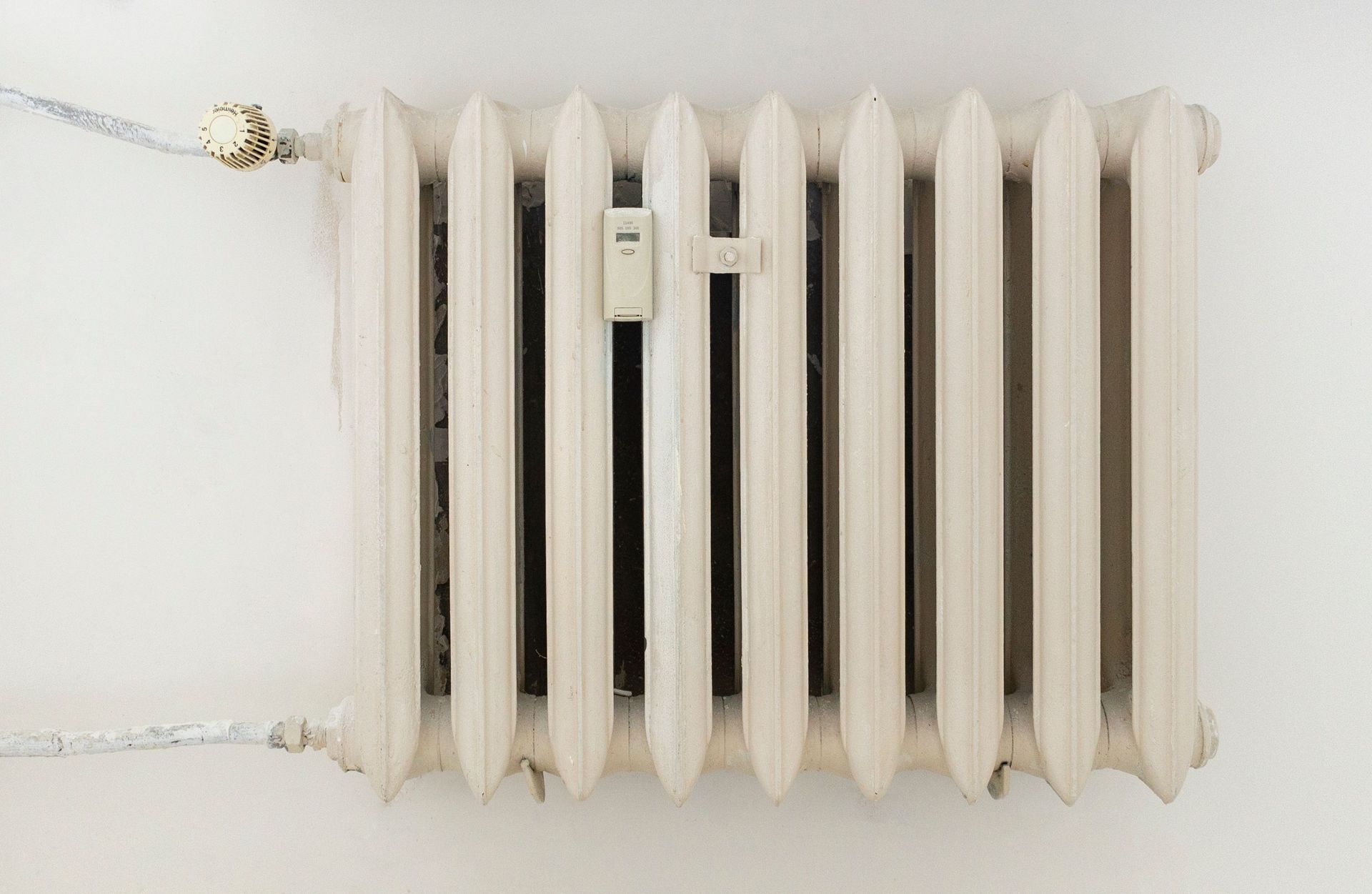
Maine landlords who include heat in rent may be facing a very different winter than the one they originally budgeted for. Our view at Standard Management Company is that the answer should not automatically be a huge rent increase. There are several ways to reduce, restructure, or share the risk before it gets to that point. Here are five strategies we think owners should be evaluating now. Reduce Dependence on Oil For some properties, adding supplemental heat can materially reduce oil consumption. A direct-vent Rinnai or similar supplemental heater may make sense in certain layouts, and in some applications installation can be in the roughly $3,500 range depending on fuel access, venting, and the building. Heat pumps are another strong option, particularly when apartments have separate electric meters. The long-term goal is simple: do not make expensive delivered oil the only way the building can stay warm. Attack the Building Envelope Before paying premium prices to produce heat, make sure the building can keep it. Attic air sealing and insulation, rim-joist and basement insulation, weatherstripping, pipe insulation, and correcting obvious drafts can reduce consumption year after year. The cheapest gallon of heating oil is the gallon the building never has to burn. Consider Ratio Billing at Lease Renewal A shared oil tank does not necessarily mean the landlord has to absorb an unlimited heating bill forever. At renewal, owners may be able to structure leases so tenants pay an agreed proportional share of the actual heating expense, using a clear and consistent allocation method such as unit size or another reasonable formula. Another option is a heating allowance: include a reasonable historical amount of heat in the rent, then allocate extraordinary usage or cost above that amount. The goal is not to profit from utilities. It is to create a fair system where both landlord and tenant have an incentive to manage consumption. Note: Any change needs to be structured correctly in the lease and reviewed for the specific property before implementation. Eligible tenants may also qualify for HEAP assistance, confirm eligibility and documentation requirements before relying on it. Measure Gallons, Not Just Dollars Before deciding how much rent needs to change, pull two or three years of actual fuel consumption. Look at: Gallons burned per building Cost per gallon Cost per apartment Changes in occupancy Boiler condition and efficiency Abnormally high-consumption buildings A 70% increase in fuel price does not automatically mean rent needs to increase 70%. The correct number comes from actual consumption. Once you know the gallons, you can calculate the real exposure per unit and decide whether the best answer is efficiency work, utility restructuring, a heating-system change, or some combination. For Larger Portfolios, Consider Hedging Owners with meaningful fuel exposure can explore financial hedges tied to oil prices. These are not perfect substitutes for Maine #2 heating oil and should be treated as risk-management tools, not guaranteed offsets. This is worth a conversation with a qualified financial adviser rather than simply accepting unlimited exposure to winter fuel prices. Our Take There probably is not one silver bullet. For most Maine rental properties, the right answer is a combination of lowering fuel consumption, adding an alternative heating source, improving insulation and air sealing, restructuring how heating costs are allocated at renewal, and helping eligible tenants access assistance, all informed by measuring actual consumption before changing rents. If you own a property where heat is included and want us to look at the numbers, send us the last year or two of fuel usage and the unit count. We can help determine what the heating cost actually looks like per apartment and which strategies may make sense for your building.

If you’re a Maine landlord with a tenant who has fallen behind on rent, there may be another option before unpaid rent turns into an eviction. MaineHousing has reopened its Eviction Prevention Program (EPP) to help eligible Maine households that are behind on rent and at risk of eviction. Funding is limited, so landlords with tenants carrying past-due balances should look at this sooner rather than later. What Does It Offer? Eligible Maine households can receive assistance for past-due rent and potentially ongoing rental assistance, with total assistance capped at $9,600 per household . Most importantly for landlords, approved payments are made directly to the landlord . Who May Qualify? Generally, the tenant must: Rent their primary residence in Maine Be behind on rent and at risk of eviction Owe no more than $9,600 in past-due rent Have household income at or below 60% of the local Area Median Income Have rent within the program’s applicable limits Additional restrictions apply, particularly to households receiving federal housing vouchers or living in subsidized housing. Landlords Need to Participate Landlord participation is required, but the process is fairly straightforward. Landlords will typically need to provide a W-9, signed lease, tenant ledger or documentation of rent owed, proof of ownership or property management agreement, and landlord attestation. If you have a tenant carrying a past-due balance, now is a good time to determine whether they may qualify. Check eligibility and program details on the official MaineHousing Eviction Prevention Program page. Good Property Management Is More Than Collecting Rent When a tenant falls behind, waiting too long can leave a landlord with fewer options. At Standard Management Company , we monitor rent balances, communicate with tenants early, maintain the documentation owners need, and stay informed about programs like this that may provide another path before a balance becomes an eviction. That doesn’t mean every delinquent account can be resolved through assistance. But knowing the available options — and acting early — can make a significant difference. Have a tenant behind on rent? Contact Standard Management Company. We can help you review the situation and determine whether programs like MaineHousing’s Eviction Prevention Program may be an option. This post is for general informational purposes and is not legal advice. Program funding, eligibility and requirements may change. Eligibility and assistance are determined by MaineHousing. Please refer to MaineHousing for current program information.

Review rents, expenses, maintenance, manager fees, and transition records for your Waterville, Augusta, or Lewiston multifamily rental.

What Maine's mobile home park crisis reveals about captive tenancy and what it means for the future of property management in Maine.

Why local market knowledge beats pricing algorithms when setting rents and screening applicants in Central Maine rental markets.

A Maine landlord's $170,000 fine shows how costly compliance mistakes can be. What professional property management protects you from.

Waterville is adding 350 new apartments. What the new supply means for existing rental property owners and rents in the local market.

Maine zoning reforms after LD 2003: current state guidance and property-specific questions to check before planning more rental units.

Property management in Maine is changing. What landlords need to know about rising standards, technology, and resident expectations.

Maine's housing problem is about more than supply. A look at affordability, condition, and management quality in the state's rental stock.

